
Abstract
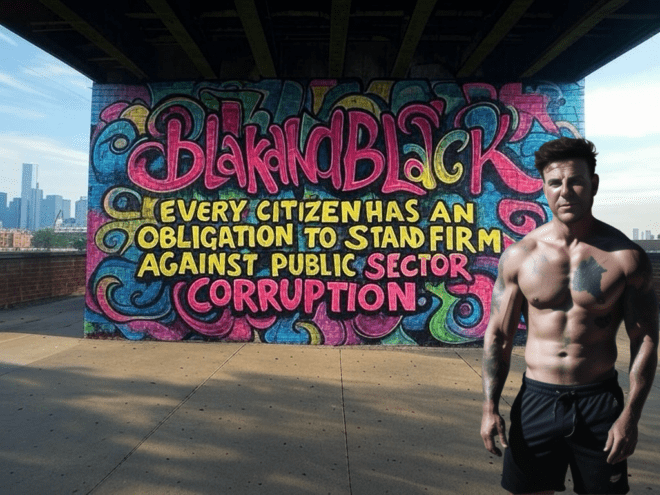
Hey there! Let’s dive into a topic that’s been buzzing around Australia: corruption. It’s a big deal, and it’s something that affects all of us. From my own experiences battling against the entrenched corruption in our public service, I can tell you it’s been a tough ride. Since 2004, I’ve faced some serious challenges, including losses that stack up to over $10 million. Yep, you read that right! That includes $2 million in legal fees and the heartbreak of losing three homes and even a family member to suicide. But despite all that, I’m still in the game, fighting for transparency and accountability because I believe in the vision of Australia and our democratic values. No public official should be able to enrich themselves at the public’s expense, right?
Corruption can look like a lot of things – bribery, nepotism, abuse of power – and it seriously messes with our public policies and governance. In this paper, I’m going to take you through what’s happening with corruption in Australia, how we stack up against international commitments like the United Nations Convention Against Corruption (UNCAC), and what anti-corruption strategies we’ve got in place at both the state and federal levels. We’ll also chat about how effective these strategies are, what the public thinks about corruption, and why protecting whistleblowers is a big deal. Even though Australia is generally seen as a solid democracy, our slide down the Corruption Perceptions Index (CPI) shows we still have a lot of work to do. So, buckle up, because I’m calling for some serious reforms – better protections for whistleblowers, more transparency, and a well-funded national anti-corruption commission.
Introduction
Corruption is like that annoying weed that just won’t go away in the garden of democracy. It pops up in different forms – bribery, nepotism, you name it – and it can really mess with how our government works. Here in Australia, where we pride ourselves on our democratic values, worries about corruption are becoming more and more pronounced. We signed onto the UNCAC back in 2005 and have made some strides in fighting corruption, but recent trends show that public trust is slipping, and many folks feel our anti-corruption efforts just aren’t cutting it.
Let’s take a look at the Corruption Perceptions Index (CPI). We’ve dropped from 7th place in 2012 to 14th in 2023. This isn’t just a number; it’s a reflection of how many people are starting to think corruption is a bigger problem than before. The establishment of the National Anti-Corruption Commission (NACC) in July 2023 was a step in the right direction, but we still have a long way to go – especially when it comes to protecting whistleblowers who are brave enough to speak out against corruption.
The State of Corruption in Australia
Eroding Public Perceptions
So, let’s get real. The decline in our CPI ranking isn’t just some statistic – it reflects a growing feeling among Australians that corruption is on the rise. High-profile scandals and investigative journalism have brought this issue to the forefront. A study from the Australian Institute of Criminology in 2021 found that public confidence in government is waning. More and more people are questioning the influence of money in politics and the ethical behavior of our elected officials.
Common Forms of Corruption
What does corruption look like in Australia? Here are a few of the main culprits:
1. Bribery in Public Procurement: There have been serious allegations of bribery tied to government contracts. This raises major red flags about accountability and transparency in how public money is spent.
2. Political Donations: Corporate donations can heavily sway political decisions, leading to calls for stricter regulations around campaign financing. It’s like big corporations are pulling the strings, and that’s a problem we can’t ignore.
3. Misconduct in the Public Sector: We’ve seen cases of nepotism and public officials abusing their power, which only adds to the erosion of trust in our government. It’s frustrating to see these issues continue to pop up.
Australia’s Anti-Corruption Framework
State-Level Institutions
At the state level, we’ve got independent anti-corruption agencies like the Independent Commission Against Corruption (ICAC) in New South Wales and the Crime and Corruption Commission (CCC) in Queensland. These organizations are supposed to investigate corruption, hold public officials accountable, and promote ethical governance.
Evaluating State Agencies
Now, while these agencies have had some wins in uncovering corruption, they often get criticised for having limited powers, slow investigations, and not enough resources. There’s also the issue of political interference that could compromise their independence. For example, the ICAC has faced accusations of overreach and bias, which makes people wonder how effective they really are.
The National Anti-Corruption Commission
The NACC, which launched in July 2023, is a significant development in our fight against corruption at the federal level. This new body is meant to tackle serious and systemic corruption within the federal public sector. But let’s be real – it’s got its work cut out for it. It needs to secure enough funding, maintain its independence from political pressures, and build public trust. If it can’t do those things, it won’t be able to make a real impact.
Overcoming Challenges
The NACC has potential, but it faces some serious challenges. It needs to be well-resourced, free from political influence, and trusted by the public. Its success will depend on its ability to conduct transparent investigations and produce solid outcomes.
The Role of Whistleblowers
Current Deficiencies in Whistleblower Protections
When it comes to whistleblowers, Australia’s protections are pretty lacking compared to global standards. Sure, we have the Public Interest Disclosure Act 2013, which offers some legal safeguards, but many whistleblowers still face retaliation – think job loss and harassment. A Transparency International report from 2021 showed that 43% of whistleblowers experienced negative consequences for speaking up, which is pretty alarming.
Proposed Reforms
The Albanese government seems to recognise how crucial whistleblowers are in the fight against corruption and has promised to strengthen their protections. They’re talking about better legal safeguards, financial support, and improved safety measures for whistleblowers. But let’s hope these reforms happen quickly and are accompanied by a shift in the culture within public institutions, or they won’t have much of an impact.
Public Trust and Perception
How the public perceives corruption can really influence how effective anti-corruption initiatives are. If people feel corruption is rampant, they’re less likely to trust the government, which can lead to disengagement from political processes. This lack of accountability only makes it easier for corruption to take root. The 2023 Lowy Institute Poll revealed that only 38% of Australians believe the federal government is doing a good job tackling corruption, which shows there’s a serious need for renewed efforts to regain public confidence.
Media and Civil Society’s Role
The media and civil society organisations are crucial in exposing corruption and holding public institutions accountable. Investigative journalism has uncovered many corruption scandals, which has sparked public demand for reform. However, sometimes the media can come off as sensationalist, which might hurt trust in institutions. A collaborative approach between the media, civil society, and the government could really enhance accountability and transparency.
Conclusion
So, here’s the deal: corruption remains a significant challenge for Australia’s democratic values. Our slipping CPI ranking and growing public concerns emphasise the urgent need for systemic reforms. While we’ve made strides with state and federal anti-corruption bodies, their success depends on independence, adequate resources, and public trust.
Strengthening protections for whistleblowers is absolutely critical. We need to ensure that people feel safe reporting corruption without fear of retaliation. Plus, increasing transparency in political financing and public procurement processes can help reduce the chances of unethical behaviour.
To tackle corruption effectively, we need a comprehensive approach that brings together the government, civil society, and the public. Only through united and decisive action can Australia reinforce its position as a global leader in integrity and good governance. Let’s work together to clean up our system and ensure a brighter future for all Australians. Together, we can make a difference!