Hanson, Wannabe Prime Minister of a Country Already Changed
A country's leader must be able to pull together the threads that define it; anything less will break it, a fact Hanson fails to understand.
4 Comments
October 19, 2026

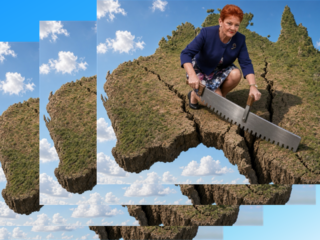
A country's leader must be able to pull together the threads that define it; anything less will break it, a fact Hanson fails to understand.
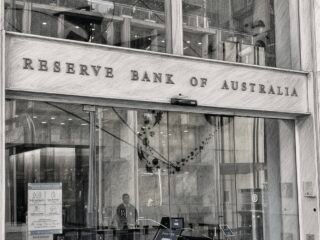
The Reserve Bank's increase in the cash rate hurts those with lower incomes who are the most likely to lose work, ignoring corporate profits and executive salaries.
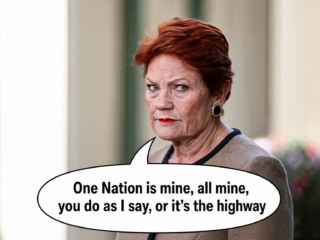
Hanson's One Nation has surged in success, but historically it has lacked resilience over the long-term to hold onto candidates and seats.

Australia's pitch for a seat on the UNSC is off-key, drawing attention the matters upon which the United Nations has already drawn negative findings.
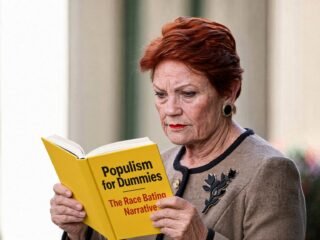
Hanson trades on emotion, stoking rage among voters over discredited hypotheses about race and intelligence.
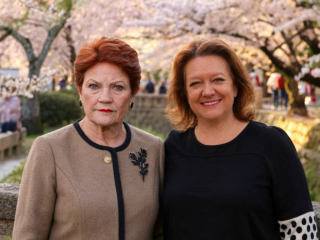
Failure to address racist comments made by Pauline Hanson embolden other white supremacists, resulting in real harms.
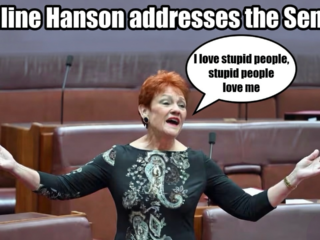
Hanson and One Nation's seemingly rampant popularity is a symptom of an electorate jaded by the poor performance of past and incumbent governments.

In the fifteen years since Blak and Black spoke of the erosion of civil liberties, much of what was forewarned has been realised.
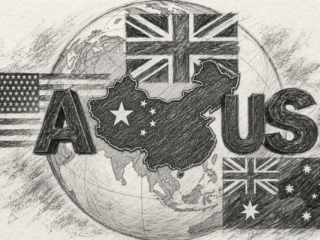
Diametrically opposed world views by the USA and China demand strategic management of risks in both regional defence and international trade.
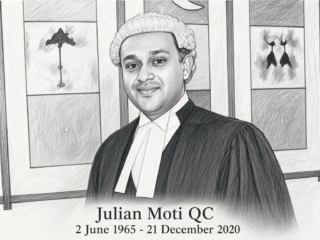
The 55th Pacific Islands Forum has highlighted the tug of war over seabed resources, pitching regional powers against each other and a Goliath.
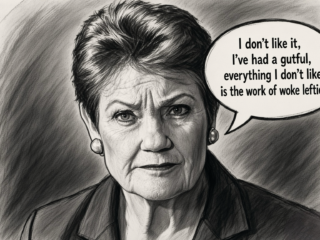
To dislike it not enough. The opinion of the leader must translate to policy a justifiable bind, especially when it touches those already disadvantaged.
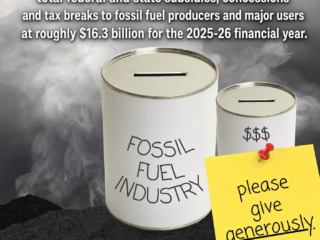
Federal and state budgets choose to neglect crucial supports for people in need in favour subsidies for fossil fuel corporations.

Assiduous avoidance of key societal issues in the 2026 Census demonstrates government priorities overlook several key societal issues.
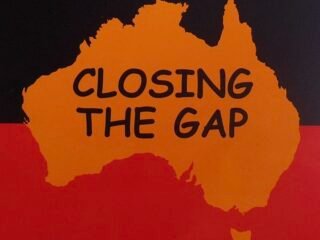
Persistent poor results on Closing the Gap between Indigenous and non-Indigenous reflect an ongoing lack of support by governments.

Pauline Hanson's twp-way street comment only exposes her own hypocrisy.
Australia is a ongoing multicultural masterpiece in the making.
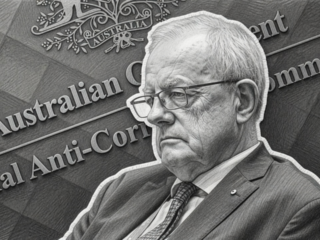
One Nation's rise in the shadow of misconduct by former NACC Commissioner Paul Brereton reflects cynicism toward integrity in government.
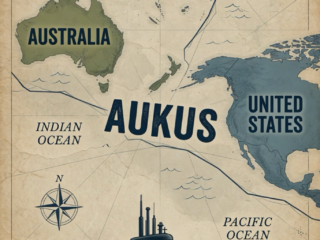
Australia is carrying the majority of the risks of the AUKUS agreement with few of the benefits guaranteed.
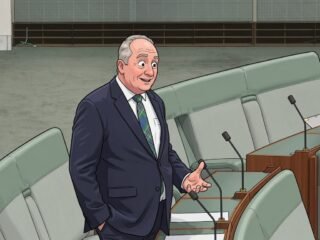
The defection of Barnaby Joyce should be viewed not so much as a matter of principle as one of strategic ambition.
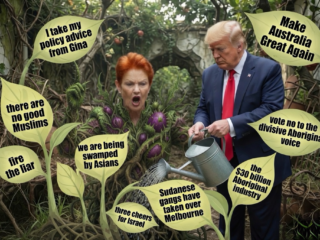
Australia needs to discuss what immigration looks like, from origins to infrastructure, community cohesion to differing norms.